Choose the right type of door based on the actual needs of the system
In industrial refrigeration, there are two broad categories of environments: normal-temperature rooms, designated TN, and low-temperature rooms, designated BT. The difference between these two categories isn't just a matter of degrees on the thermometer, but involves profoundly different design choices, especially when it comes to cold room doors. Panel thickness, gasket type, presence of anti-icing heaters, construction materials, and opening mechanisms all change radically depending on the operating temperature. In this technical guide, produced with the support of MIV, an Italian specialist in industrial refrigeration doors, we explore how to correctly choose the right door type based on the actual needs of the system.
TN Cells: Doors for positive temperature cold rooms
Normal temperature (NT) cold rooms operate in a range between 0°C and +10°C, sometimes extended to +14°C for environments intended for fruit, vegetables, aged dairy products, or baked goods. These are the most common environments in the food supply chain, found in supermarkets, distribution warehouses, professional kitchens, pastry shops, and fresh produce processing plants. Cold room doors designed for these applications must ensure good thermal insulation but must not withstand the extreme stresses typical of low-temperature cold rooms.
From a construction standpoint, TN doors generally use insulating panels with thicknesses ranging from 60 to 90 mm. The most common material is closed-cell polyurethane foam with a density of approximately 40 kg/m³ and a thermal conductivity (λ) of 0.022 W/mK. This combination guarantees a thermal transmittance of around 0.30-0.36 W/m²K, more than sufficient to maintain energy efficiency in a positive temperature range. MIV cold storage doors for TN applications are available in single- or double-leaf hinged, sliding, and automatic versions, with the option of customizing the external cladding in white pre-painted sheet metal, AISI 304 stainless steel, or specific materials.
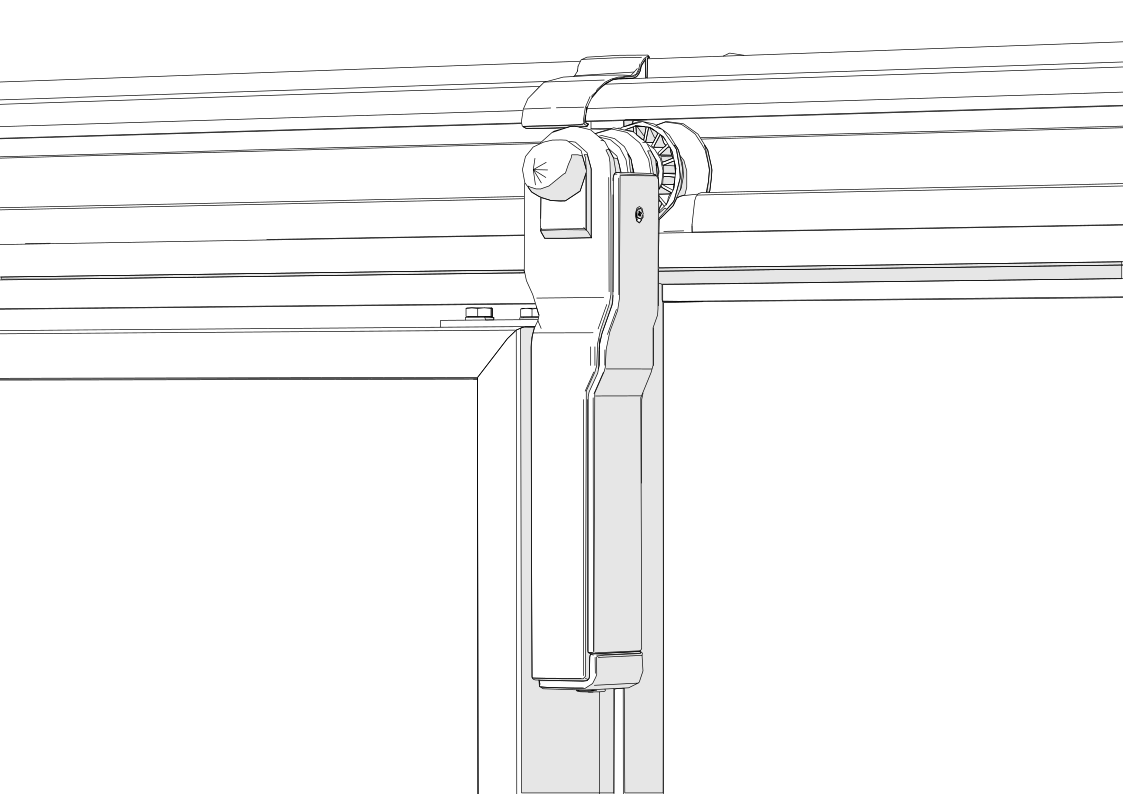
A distinctive feature of TN doors is their increased opening frequency: in a supermarket or distribution center, the doors of a TN cold room can open 500-1,000 times a day. For this reason, the design must focus on the durability of the hinges, the mechanical resistance of the pulleys for sliding models, and the speed of the closing system. Furthermore, EPDM gaskets ensure an effective seal even after thousands of cycles, reducing wear and extending the door's lifespan. Choosing the right model for a TN cold room therefore depends on a combined analysis of temperature, frequency of passage, and cleaning requirements.
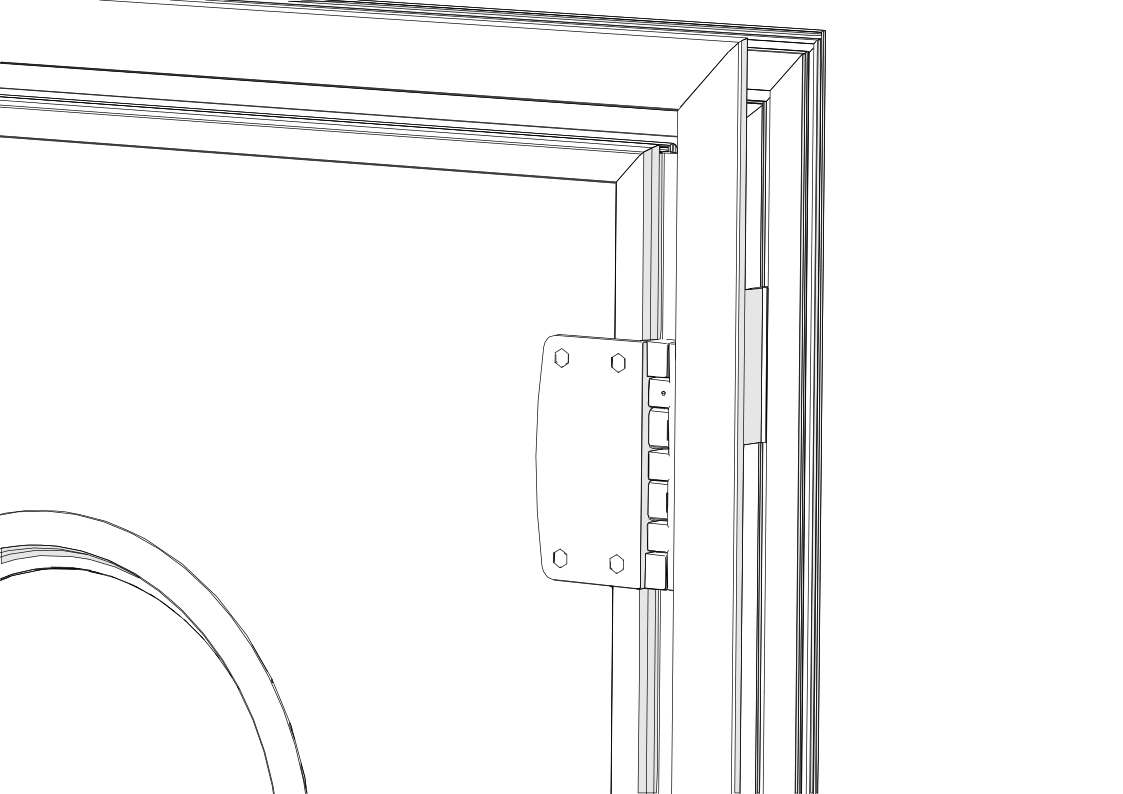
"L" frame section TN version
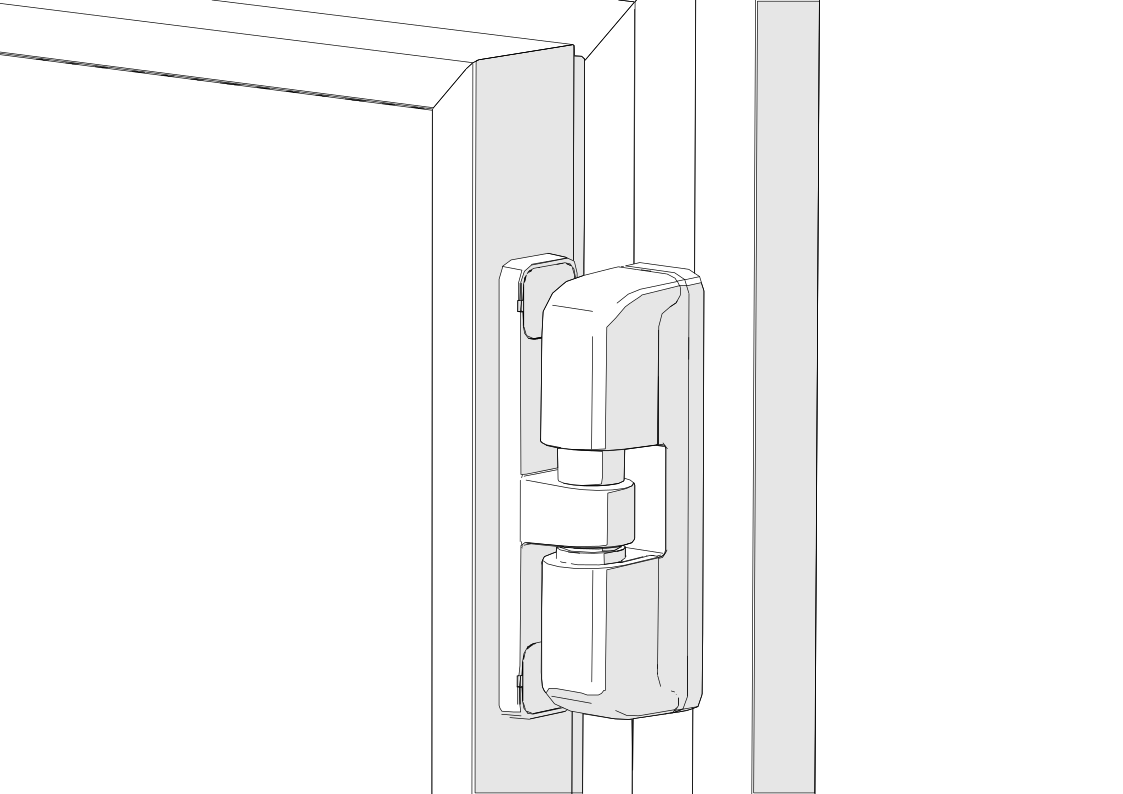
"Flat" frame section TN version
BT Cells: Cold Room Doors for Negative Temperatures and Extreme Environments
Low-temperature rooms, identified by the acronym BT, operate in a range from 0°C to -28°C, with some specific shock freezing applications reaching -45°C. They are used for the preservation of frozen meat, seafood, industrial ice cream, pre-cooked foods, and sensitive pharmaceutical products. In this context, cold room doors must cope with much more severe operating conditions: a high temperature gradient between the inside and outside, frost formation, the risk of condensation, and frozen seals. Everything is different compared to a TN room, from the materials to the locking systems.
The thickness of the insulating panel for LV doors is typically between 90 and 150 mm. A 120 mm thick door with a high-density polyurethane or PIR core achieves a thermal transmittance of around 0.83 W/m²K, essential for limiting heat loss in environments at -25°C.
The distinctive feature of LT cold storage doors is the presence of a perimeter heating system around the frame, consisting of low-power electric resistors installed along the entire perimeter of the rebate (on the frame or inside the seals). This heating prevents the seals from freezing and any condensation that would otherwise cause the doors to "stick" to the frame, making them impossible to open. Without an efficient anti-icing system, the operating life of a LT door would be drastically reduced. The floor also plays a crucial role: a heating element is often installed under the lower rebate to prevent ice from forming in transit areas, a typical problem at freezer entrances.
Frame Section "L" BT version
"Flat" Frame Section BT version
Technical comparison and informed choice between BT and MT cold storage doors
A direct comparison of LT and MT cold room doors helps understand the importance of properly selecting the right model based on the intended use. A MT door installed in a LT environment would quickly become inefficient: insufficient transmittance would cause the compressors to overload, the seals would freeze in a matter of days, and energy consumption would skyrocket. Conversely, oversizing a door by installing a LT model in a MT cold room would result in unjustified initial costs and excessive space, with no real benefit. Proper design always begins with an analysis of the operating temperature, humidity, opening frequency, and the type of product stored.
Another crucial factor in choosing the right door is the opening method. Hinged doors remain the most economical and versatile option for both NT and LT, especially in environments with medium-to-low opening frequency. MIV offers all these types with customized configurations, guiding the customer in the most appropriate technical choice based on actual operational needs, applicable regulations, and available budget. Selecting the right cold room doors, calibrated to the actual temperature of the system, ensures energy efficiency, food safety, and long-lasting durability.
Sliding Doors
Porte su Cerniere
Contact information for cold storage doors.
For further information, write to us on our contact form.
WhatsApp contact: https://api.whatsapp.com/message/BWKLO7GYVGFDK1
Facebook page: https://www.facebook.com/mivrefrigeration
LinkedIn page: linkedin.com/company/mivinsulatingsystems